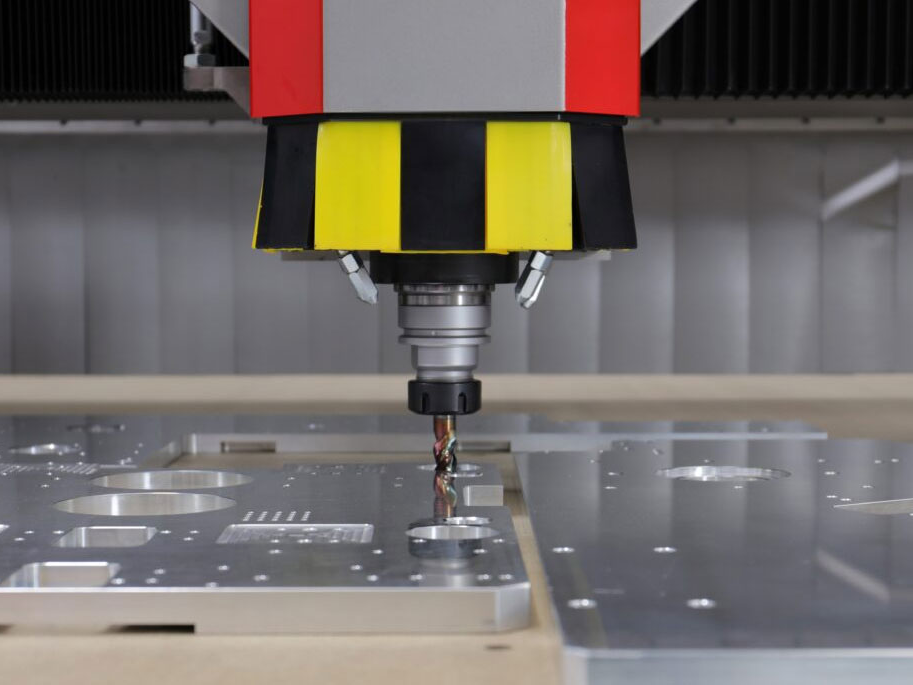
The hum of a CNC machine is the sound of precision and productivity. When it’s time to buy a CNC milling machine, the wide range of prices can be bewildering. You might see figures from a few thousand to hundreds of thousands, leaving you wondering what drives these vast differences. It’s easy to feel lost in a sea of technical specifications and jargon. Understanding the key factors that influence the CNC milling machine price is crucial for making a smart investment. Are you ready to uncover the secrets that will help you find the right machine without overpaying?
1. The Foundation: Size, Rigidity, and Configuration
The most significant factor influencing CNC milling machine price is its fundamental design and capabilities. Think about the size of the machine. A larger machine with a bigger work envelope naturally costs more due to increased material, engineering, and manufacturing complexity. But it’s not just about physical dimensions. Rigidity is paramount. Machines built with heavier frames, often from cast iron or robust steel weldments, and featuring high-quality linear guides or box ways, are more expensive but offer superior stability and accuracy. This is critical for demanding applications.
The machine’s configuration also plays a huge role. A basic 3-axis vertical machining center (VMC) will be less expensive than a 4-axis or 5-axis machine. Multi-axis capabilities, which allow for more complex part geometries and reduced setups, add significant cost due to the additional components, engineering, and control systems required. When you buy a CNC milling machine, consider the trade-off between initial cost and the long-term benefits of enhanced capability and efficiency. A more capable machine, while costing more upfront, might offer a better return on investment for complex jobs.
2. Power and Performance: Spindle, Motors, and Speed
Beyond the basic structure, the power and performance of a CNC milling machine heavily influence its price. The spindle is the heart of the machine. A high-speed spindle (10,000 RPM or higher) with significant horsepower will command a higher price than a lower-speed, lower-power unit. This is especially true for spindles designed for demanding materials or high-speed machining applications. Similarly, the motors driving the axes contribute to the cost. High-performance servo motors offer faster acceleration, better accuracy, and smoother motion compared to less advanced stepper motors.
The control system is another critical component that impacts the CNC milling machine price. Advanced controls from reputable brands (like Fanuc, Siemens, or Haas) offer more features, better user interfaces, and greater reliability, but they also come at a higher cost. Features like high-speed machining capabilities, advanced look-ahead algorithms, and integrated probing systems add to the overall price but can significantly enhance productivity and part quality. When you buy a CNC milling machine, assess how these performance features align with your specific machining needs and budget.
3. Brand Reputation and New vs. Used Machinery
The brand reputation of the manufacturer plays a significant role in the CNC milling machine price. Established brands known for their quality, reliability, and excellent customer support often command a premium. These companies invest heavily in research and development, robust manufacturing processes, and after-sales service, which is reflected in their pricing. While a lesser-known brand might offer a lower initial price, it’s essential to consider the long-term implications regarding durability, performance, and support availability.
The decision between new and used machinery is also a major cost factor. A new CNC milling machine comes with the latest technology, a full warranty, and the peace of mind that it hasn’t been subjected to previous use. However, the price for new equipment can be substantial. A well-maintained used machine can offer significant cost savings, making advanced technology accessible to a wider range of budgets. When considering used options, thorough inspection, understanding the machine’s history, and ensuring availability of spare parts are crucial steps.
4. Added Features and Automation
The base price of a CNC milling machine can increase significantly when you add features and automation. Consider automatic tool changers (ATCs). While essential for efficiency, they add complexity and cost. The number of tools the ATC can hold also impacts the price. Through-spindle coolant (TSC), especially high-pressure systems, is another feature that adds to the cost but is vital for machining materials like titanium or aluminum effectively.
Automation features like pallet changers, robotic loading systems, or integrated probing systems further increase the CNC milling machine price. These systems are designed to minimize operator intervention, increase throughput, and improve consistency, making them valuable for high-volume production environments. When you buy a CNC milling machine, carefully evaluate which of these added features are essential for your operations and which might be considered optional. Prioritizing features that directly impact your productivity and profitability is key to justifying the investment.
5. Installation, Training, and Ongoing Costs
It’s crucial to remember that the initial purchase price is not the only cost associated with a CNC milling machine. You must also factor in installation and commissioning. This can involve significant expenses for shipping, rigging, electrical hookups, and leveling the machine. Training for your operators and programmers is another essential investment to ensure you can utilize the machine’s full capabilities safely and effectively.
Furthermore, consider the ongoing operational costs. This includes power consumption, maintenance, spare parts, tooling, and consumables like coolant. A more powerful or feature-rich machine might consume more electricity, and specialized tooling can be expensive. Planning for these long-term costs is vital for accurately determining the total cost of ownership. When you buy a CNC milling machine, a comprehensive understanding of all associated costs, beyond just the sticker price, will lead to a more financially sound decision.
Making the Right Investment in Your CNC Machine
It’s clear that the CNC milling machine price is influenced by a multitude of factors, from basic size and rigidity to advanced automation and brand reputation. You’ve uncovered the secrets behind these price variations, understanding that a higher cost often reflects greater capability, durability, and performance. The initial sticker shock can be managed when you know what truly drives the value.
Before: feeling overwhelmed by price ranges and unsure what to prioritize. Then: understanding the impact of size, rigidity, spindle power, brand, and added features → able to identify machines that offer the best value for specific needs. Now: confidently evaluating options and making an informed decision about the CNC milling machine price that aligns with your budget and production goals. Ready to invest wisely? Start by clearly defining your machining requirements and then seek out machines that meet those needs without unnecessary extras.